
Corporate Website Development services





Corporate Website Development services Include
Corporate Website Development services
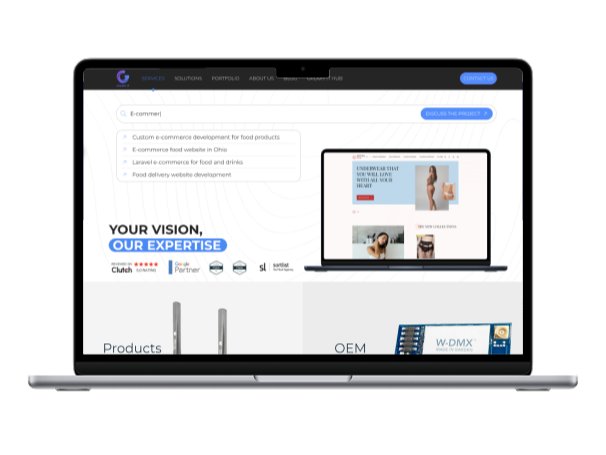
Websites can be accessed from any device with an internet connection, allowing users to interact easily.
Websites can easily scale to accommodate changes in traffic and content requirements.
Developing and maintaining a website is often more cost-effective than traditional business solutions.
Websites have the potential to reach a global audience, expanding a business's market reach.

Our cases
See all


Let’s discuss

- 7+Years in company
- 480+Successful projects
wE will help you with
CROSS-PLATFORM

HIGH PERFORMANCE
"Galaxy-IT was the best company we've ever worked with."
FAST DEVELOPMENT
ENHANCED USER experience
HIGH PERFORMANCE
Why us?
In today's digital-first business environment, your website serves as the cornerstone of your corporate identity and customer engagement strategy. Corporate website development services have evolved far beyond simple page creation, now encompassing comprehensive digital solutions that drive business growth and enhance brand presence. Companies that invest in professional development with responsive design gain competitive advantages through superior user experiences, robust functionality, and strategic positioning in their markets.
At Galaxy IT Inc., we understand these evolving needs and deliver tailored solutions that transform your digital presence. Contact us at 1(440)225-4113 to discuss how we can elevate your corporate website.
What is Corporate Website Development?
Corporate website development represents the complete process of planning, designing, building, and maintaining a professional online presence tailored specifically to business needs. A corporate website development company brings expertise in translating business strategies into technical solutions that serve diverse audiences effectively.
Understanding the Development Process
Professional development follows a structured approach that balances planning with flexibility. Initial consultation meetings establish the project foundation by identifying key stakeholders, defining success criteria, and clarifying expectations around budget, timeline, and deliverables. The team of web developers gathers detailed requirements about desired features, technical specifications, and design preferences during this discovery phase.
Once requirements are clear, the planning stage creates detailed roadmaps showing how the project will unfold. Developers establish milestones that break the work into manageable phases. They create wireframes—simple visual layouts that show content placement and navigation structure without detailed design elements.
Design work then brings the wireframes to life with visual elements that reflect your brand identity. Designers explore color palettes, typography choices, imagery styles, and interactive elements that create the desired emotional response. Prototypes add interactivity so you can experience navigation and key interactions before actual coding starts.
Key Features of a Corporate Website
Professional corporate websites incorporate essential elements that distinguish them from basic sites. Content management systems allow authorized staff to update information easily without technical expertise. Responsive design ensures flawless functionality across all devices, from large desktop monitors to smartphones.
Integration capabilities connect your website with existing business systems like customer relationship management platforms, email marketing tools, and inventory databases. Search engine optimization built into the site's foundation improves visibility in search results, driving organic traffic that reduces marketing costs. Many companies also benefit from comprehensive seo services that enhance their website's performance in search rankings through strategic keyword optimization, content development, and technical improvements.
Analytics integration provides detailed insights into visitor behavior, showing which pages perform well and where improvements might help. These features combine to create a website that functions as a powerful business asset rather than a static brochure.
The Importance of Professional Web Development
Many businesses initially underestimate the complexity involved in developing a corporate website, leading them toward do-it-yourself solutions or inexperienced developers. Professional web development services prevent common issues through expertise developed over hundreds of projects across various industries.
Experienced developers understand browser compatibility issues that affect how sites display across different platforms. They implement performance optimization techniques that keep pages loading quickly even as content grows. They follow security best practices that protect against increasingly sophisticated cyber threats.

Why Choose Custom Web Development Services?
Template-based solutions might appear attractive due to lower initial costs and faster deployment, but custom website development offers substantial advantages for corporate applications. Templates impose significant limitations on design flexibility, feature implementation, and scalability potential. Custom development eliminates these constraints by creating solutions tailored precisely to your unique requirements.
Benefits of Custom Website Development
Custom solutions accommodate unique business processes that off-the-shelf products cannot support effectively. Your company might need specialized product configurators, complex appointment scheduling systems, custom reporting dashboards, or proprietary calculators that provide value to customers. Custom web solutions make these specialized features possible, providing competitive advantages unavailable through generic platforms.
Flexibility extends to future modifications as your business evolves. Adding new features, integrating with additional systems, or redesigning sections becomes straightforward when developers have complete control over the codebase. This adaptability protects your technology investment over the long term, avoiding the need for complete rebuilds when business needs change.
How Custom Web Solutions Enhance User Experience
Custom web solutions place user needs at the center of every design decision rather than forcing users to adapt to predefined templates. Navigation structures reflect how your specific audience thinks about your products or services. Interactive elements respond in ways that feel intuitive based on user research and testing.
This user-centric approach produces measurable improvements in important metrics. Visitors spend more time exploring custom sites because they find what they need quickly without frustration. Conversion rates increase when the path from initial interest to desired action feels smooth and logical.
Comparing Custom vs. Template-Based Websites
| Aspect | Custom Development | Template-Based |
| Initial Cost | Higher investment required | Lower upfront expense |
| Design Flexibility | Unlimited creative possibilities | Constrained by template structure |
| Feature Implementation | Any functionality achievable | Limited to available plugins |
| Performance | Optimized specifically for needs | Often includes unnecessary code |
| Scalability | Grows seamlessly with business | May require rebuild at certain point |
| Brand Uniqueness | Completely distinctive appearance | Risk of looking like competitors |
What to Look for in a Website Development Company?
Selecting the right development partner significantly influences project outcomes and ongoing success. The market contains countless firms offering corporate website development services, but their capabilities, experience, and working styles vary dramatically.
Evaluating Web Development Agencies
Portfolio review provides initial insights into a company's capabilities and design sensibilities. Examine completed projects for technical sophistication, visual appeal, and relevance to your industry. Strong agencies showcase diverse work demonstrating versatility across different business types and project scopes.
Client testimonials and case studies reveal how agencies perform throughout the development process beyond just final deliverables. Look for evidence of effective communication, realistic scheduling, and creative problem-solving when challenges arise.
Key Questions to Ask Your Web Development Team
Productive conversations with potential development partners explore both technical capabilities and collaboration approaches. Consider asking questions in several key areas:
- How does your website development process flow from initial consultation through post-launch support?
- What happens when scope changes arise during the project?
- How frequently will we receive updates and through what communication channels?
- What security practices do you implement to protect against vulnerabilities?
- What browser and device testing do you perform before launch?
- What ongoing support do you provide after the site goes live?
A confident team of web developers welcomes these questions and provides detailed answers demonstrating genuine expertise rather than vague marketing language.
Identifying Top Web Development Companies
Top web development companies maintain strong reputations built over years of consistent success across diverse projects. They invest in ongoing education, ensuring their teams understand current best practices and emerging technologies rather than relying on outdated approaches.
Look for agencies that demonstrate strategic thinking beyond pure technical implementation. The best partners challenge initial assumptions constructively, suggest improvements based on their experience, and help refine concepts before development begins. Choosing the right web development partner means finding a team that aligns with your business values, understands your industry, and commits to development solutions that meet your specific needs.

What is the Web Development Process?
Understanding how professional developers approach projects helps clients participate effectively and set realistic expectations. The website development process follows logical phases that build upon each other, transforming abstract ideas into functional websites.
Stages of Web Application Development
Projects typically begin with discovery phases where teams define scope, identify detailed requirements, and establish clear success criteria. Developers create comprehensive specifications documenting features, technical requirements, design guidelines, and content needs. This planning ensures everyone understands what success looks like before beginning to create a website.
Design phases translate written requirements into visual concepts and interactive prototypes. Designers explore different aesthetic directions, creating mockups that demonstrate proposed appearances for key pages and templates.
Development phases transform approved designs into working code that browsers can interpret and display. Frontend development creates the visible, interactive elements users experience directly—layouts, navigation, forms, and dynamic content. Backend development builds underlying systems that power functionality.
Design and Development: A Collaborative Approach
The most successful projects involve close collaboration between designers, developers, and clients throughout the entire process rather than working in isolation until major milestones. Regular check-ins ensure everyone stays aligned as work progresses through different phases.
Modern development methodologies embrace iterative approaches rather than rigid sequential processes. Teams build features incrementally, releasing functional portions for review and testing before moving forward to additional capabilities.
Best Practices in the Development Process
Quality-focused developers incorporate several professional practices that elevate their work above amateur efforts. Version control systems track every code change with complete history. Code reviews catch errors and identify improvement opportunities before they become embedded problems.
Performance optimization receives attention throughout development rather than being an afterthought. Developers write efficient code, optimize images and other assets, and implement caching strategies that reduce server load and improve response times. These professional practices distinguish high-quality web development services from cheaper alternatives.
How to Enhance Your Corporate Website Design?
Even well-built websites benefit from periodic evaluation and strategic enhancement as circumstances evolve. Digital design trends change, user expectations advance, business objectives shift, and competitive landscapes transform over time.
Trends in Website Design for Corporations
Contemporary corporate design emphasizes clean, uncluttered interfaces that prioritize content over decorative elements. Generous white space improves readability while creating sophisticated appearances that convey professionalism. Large, high-quality images capture attention and convey messages quickly.
Interactive elements engage users more effectively than static content alone. Subtle animations draw attention to important features without overwhelming visitors. Video content explains complex concepts quickly while maintaining engagement better than text alone.
Importance of Responsive Website Design
Responsive website design has evolved from optional enhancement to absolute necessity in today's multi-device world. The majority of web traffic now originates from mobile devices, making mobile-friendly design essential for reaching audiences effectively wherever they are.
Implementation requires thoughtful planning rather than quick technical fixes. Developers must consider how content reflows across different screen sizes, ensuring readability and usability everywhere from large monitors to small phones.
Integrating Web Technologies for Better Performance
Modern websites leverage various technologies that enhance functionality and user experience. Progressive web app techniques enable offline functionality and push notifications. API integrations connect websites with social media platforms, payment processors, and email systems.
Strategic choices focused on user needs and business goals create websites that leverage modern capabilities without becoming unnecessarily complicated. Thoughtful technology integration enhances performance and functionality while maintaining reliability.

What Are the Common Challenges in Website Development?
Even experienced developers encounter obstacles during projects that test their skills and problem-solving abilities. Understanding common challenges helps you set realistic expectations while appreciating the complexity involved in professional website development.
Addressing Backend Development Issues
Backend systems form the invisible foundation supporting all visible website features users interact with directly. Database design decisions profoundly affect performance, scalability potential, and long-term maintenance requirements. Server configuration impacts security, reliability, and speed.
Performance optimization often focuses heavily on backend improvements that deliver dramatic speed enhancements. Skilled developers architect backend systems that handle current traffic comfortably while scaling smoothly as demand grows.
Managing Development Projects Effectively
Project management challenges frequently determine whether development efforts succeed smoothly or struggle with problems and delays. Scope creep threatens both budgets and timelines if not controlled carefully. Unclear requirements create misunderstandings that waste effort building features nobody actually wanted.
Effective project management practices mitigate these risks through clear documentation, regular communication, and disciplined change control processes. Strong project management navigates these complexities skillfully, keeping projects on track despite inevitable obstacles.
Ensuring Quality Assurance in Web Development
Thorough testing separates professional development from amateur efforts. Comprehensive quality assurance catches bugs before users encounter them, protecting both reputation and functionality. Testing encompasses functional verification, usability evaluation, performance confirmation, and security assessment.
Professional corporate website development services successfully navigate these challenges through accumulated experience, deep expertise, and established processes refined over hundreds of projects. Working with skilled development partners provides access to capabilities that take years to develop internally.